

HISTORIC OAXACA
Where ancient civilizations, colonial architecture and living traditions come together.
UNESCO RECOGNITION
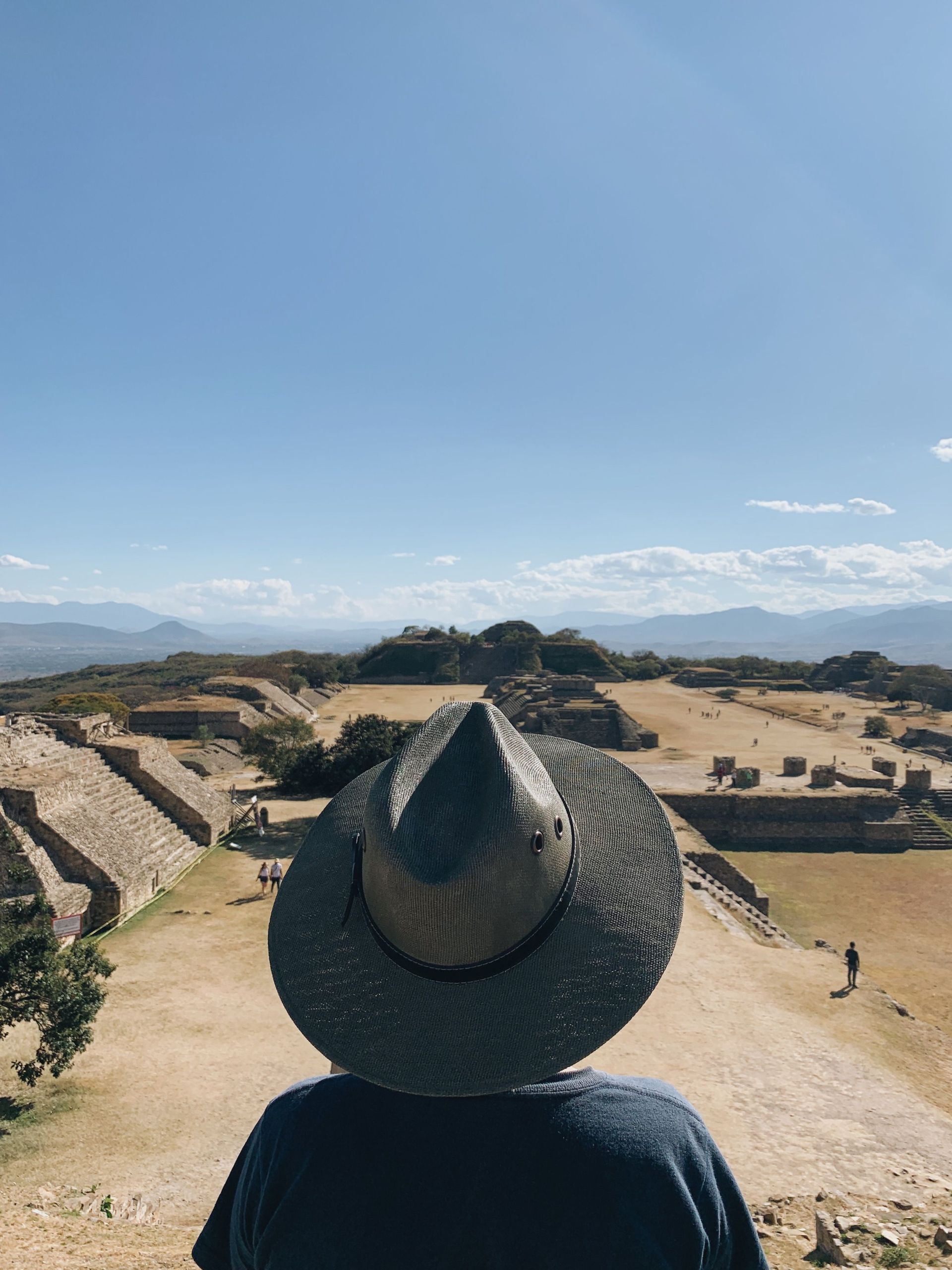
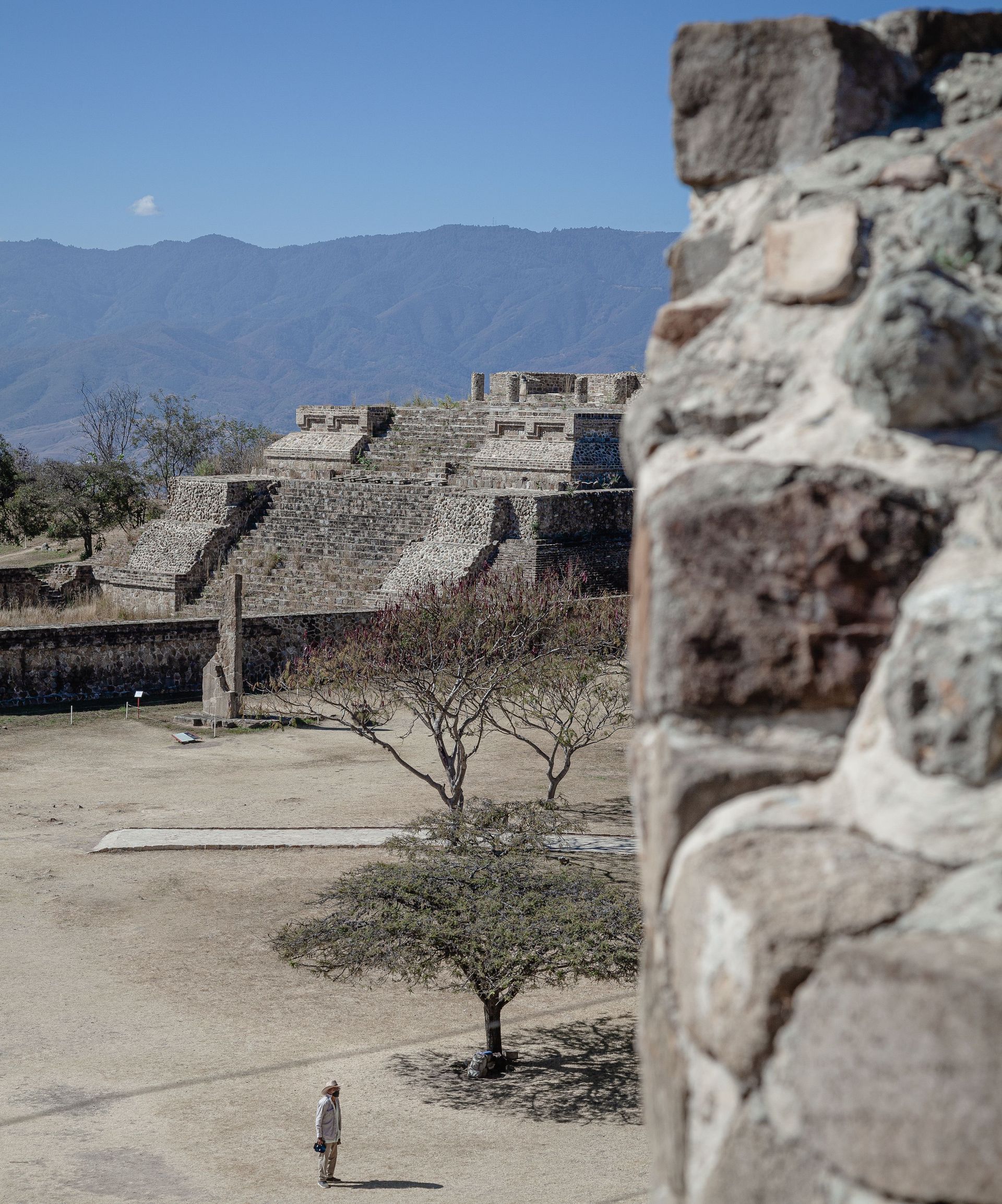
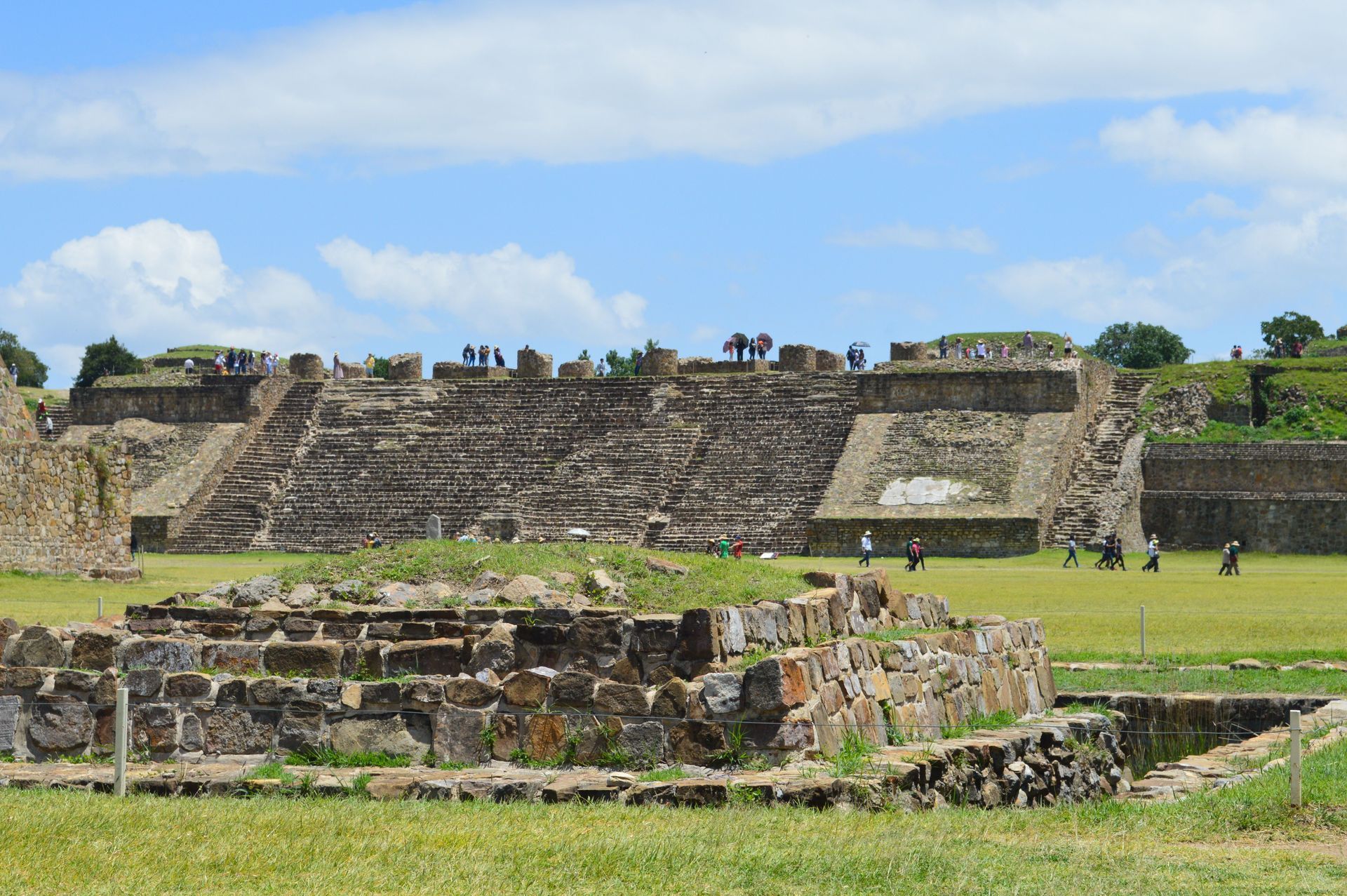
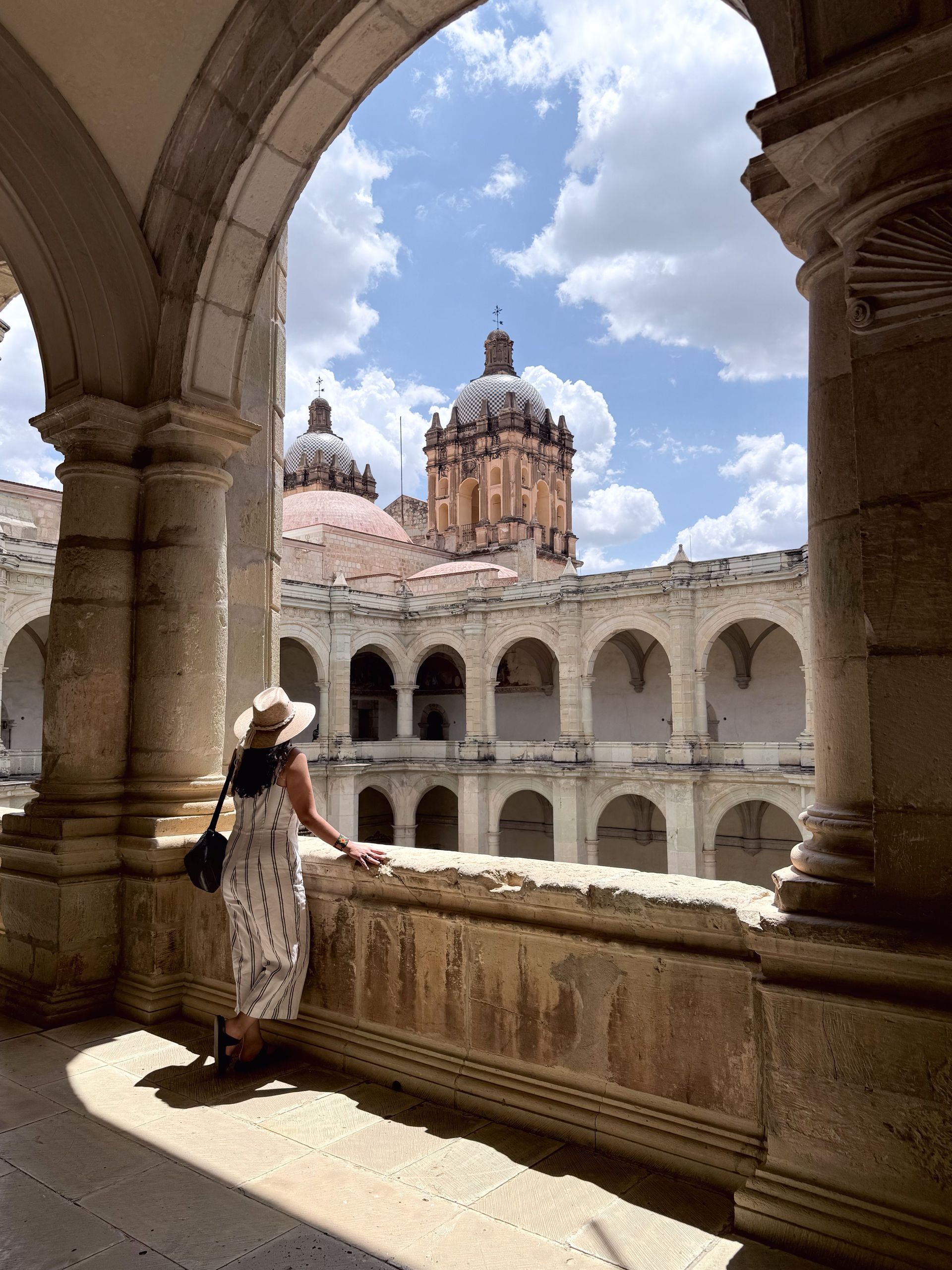
Oaxaca is home to two UNESCO World Heritage Sites: the Historic Centre of Oaxaca and the Archaeological Site of Monte Albán. Together, they represent more than 2,500 years of history, from ancient Zapotec civilizations to the colonial era that shaped the city we know today.
A LAND OF ANCIENT CIVILIZATIONS
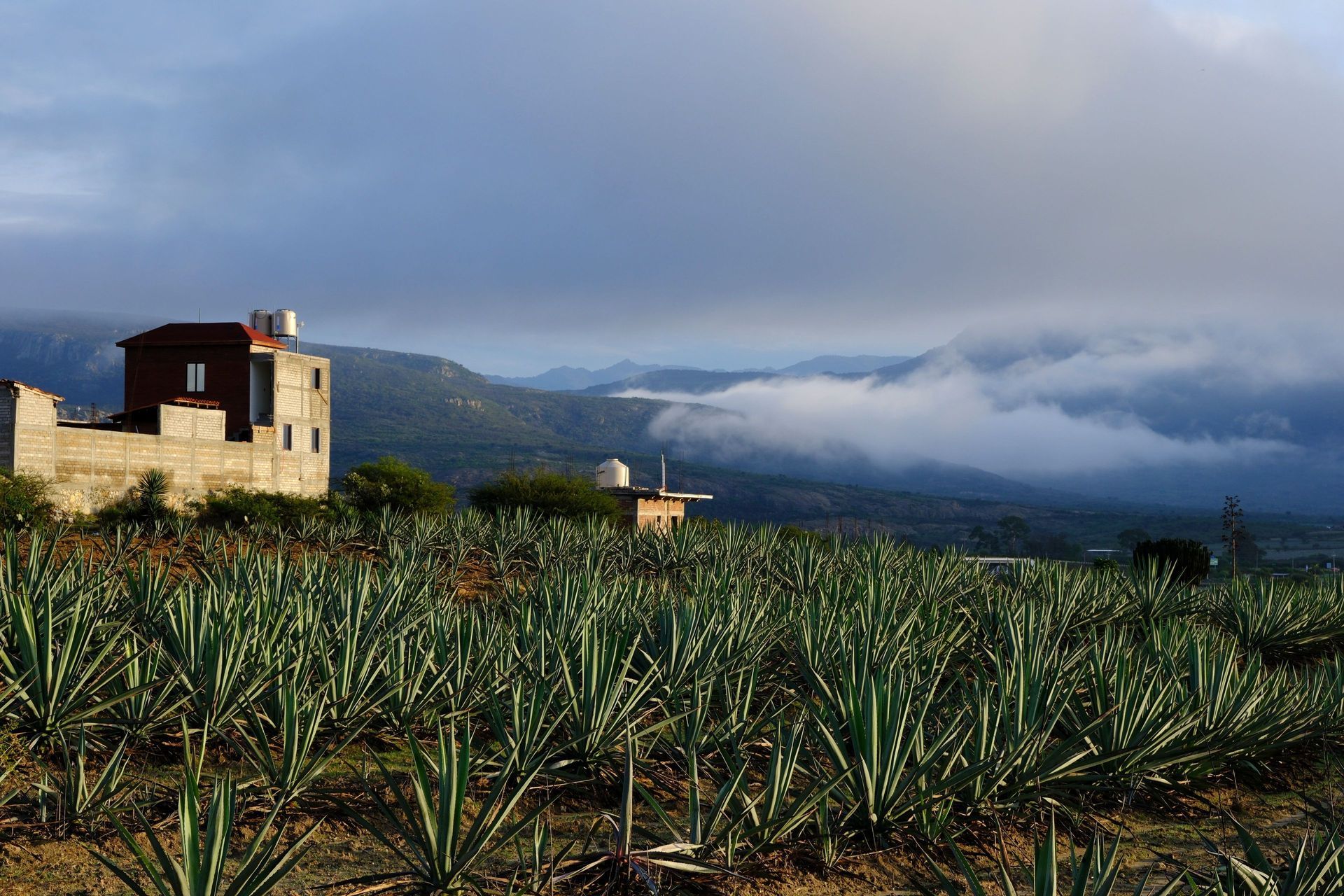
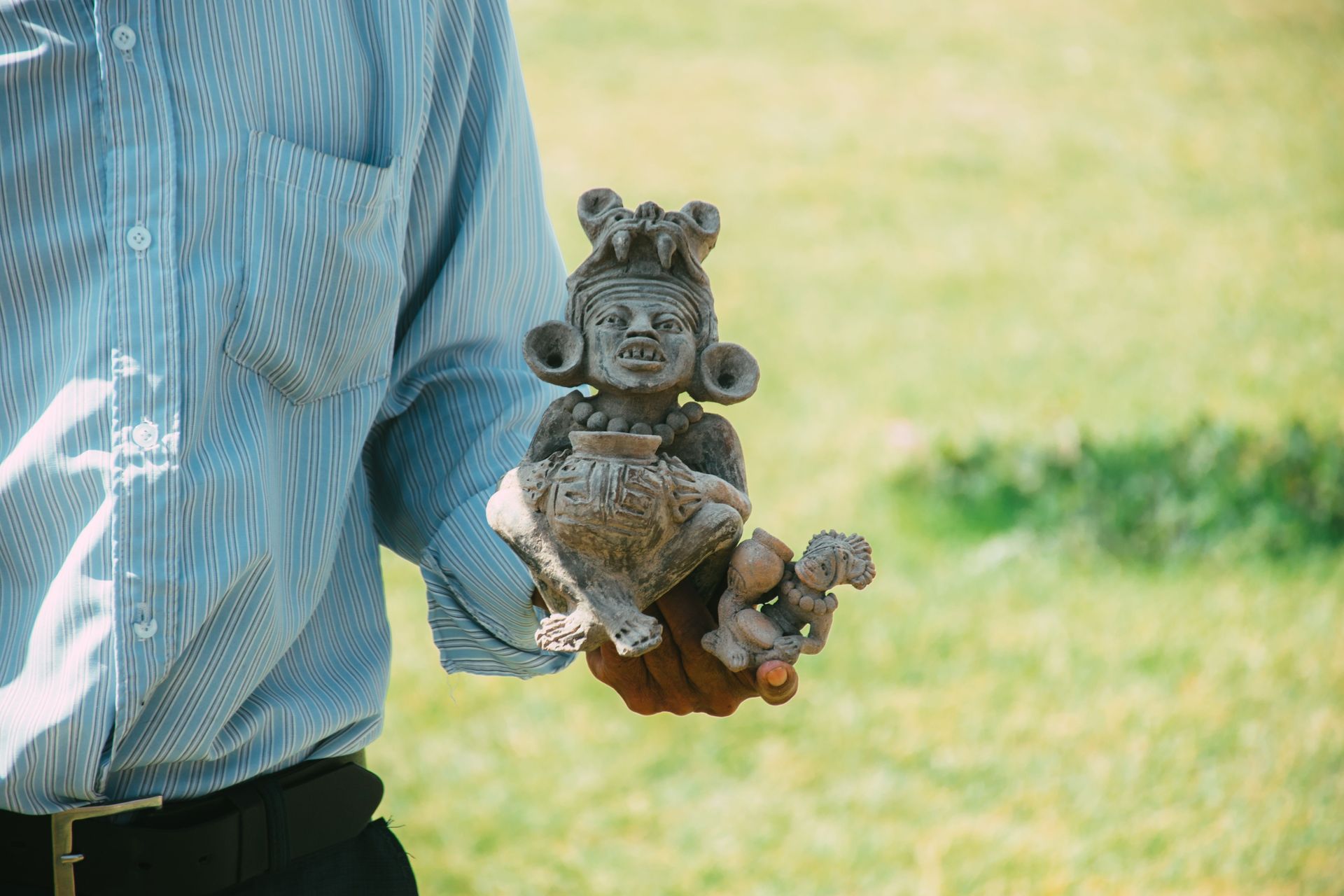
For thousands of years, Oaxaca has been a crossroads of civilizations, cultures and traditions. Long before the arrival of Europeans, the region was home to powerful indigenous societies whose knowledge, art and customs laid the foundations of what Oaxaca is today.
The Zapotec and Mixtec peoples developed complex communities, trade networks and cultural traditions that continue to influence daily life across the state. Their legacy can still be felt in the languages spoken, the craftsmanship preserved and the deep connection between communities and their ancestral lands.
The arrival of the Spanish in the 16th century marked a new chapter in Oaxaca's history. Colonial architecture, religious traditions and European influences blended with indigenous culture, creating the unique identity that distinguishes Oaxaca from any other destination in Mexico.
Over the centuries, Oaxaca became a center of art, craftsmanship, gastronomy and cultural preservation. While many places around the world have lost their traditions to modernity, Oaxaca continues to celebrate and protect its heritage through festivals, artisan workshops, local markets and community life.
Today, Oaxaca stands as one of Mexico's most culturally rich destinations. Its history is not only preserved in museums and monuments—it remains alive in its neighborhoods, cuisine, traditions and the people who proudly call this land home.